


Topline
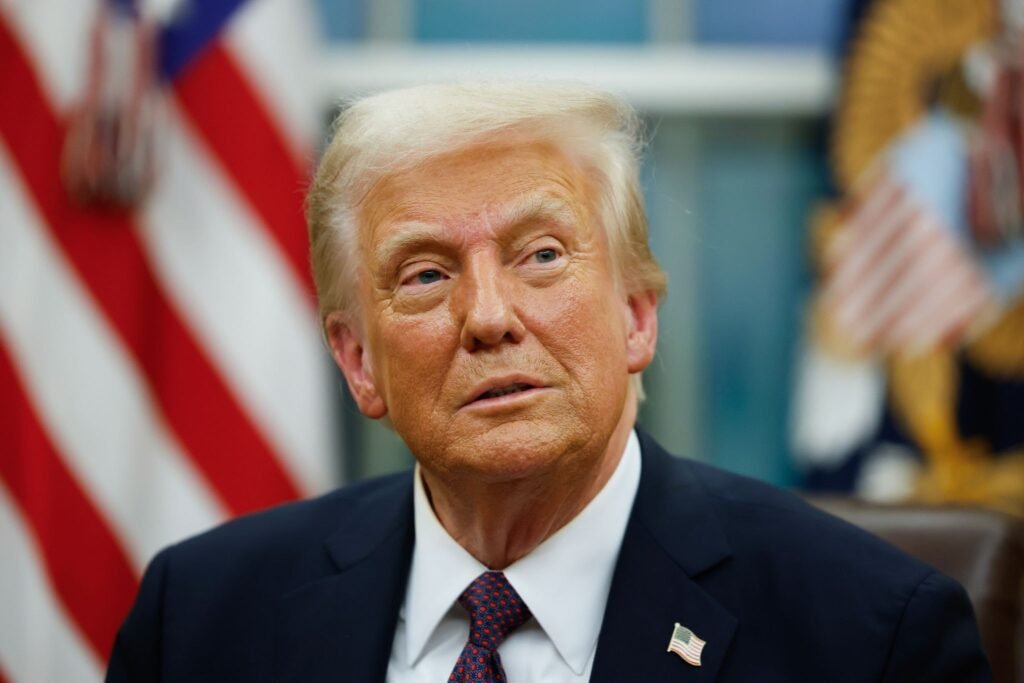
U.S. President Donald Trump is reviewing a range of scenarios that could reshape the future of Greenland, including a proposal that would offer financial incentives of up to $100,000 per person to encourage Greenlanders to break away from Denmark and align with the United States. The idea, according to people familiar with internal discussions, reflects renewed strategic interest in the Arctic and has sparked debate across political, diplomatic, and economic circles.
What Is Being Discussed
Sources briefed on the matter say U.S. officials — including aides connected to the White House — have explored direct payments ranging from $10,000 to $100,000 per resident as part of a broader Greenland US deal concept. The goal would be to make a political realignment financially attractive to Greenland’s population, which numbers roughly 57,000 people.
While no formal proposal has been announced, the discussions underscore how unconventional approaches are being considered alongside traditional diplomacy. The scale of the payments alone would make the plan costly, but supporters argue the long-term strategic value of Greenland could outweigh the upfront expense.
Why Greenland Matters Strategically
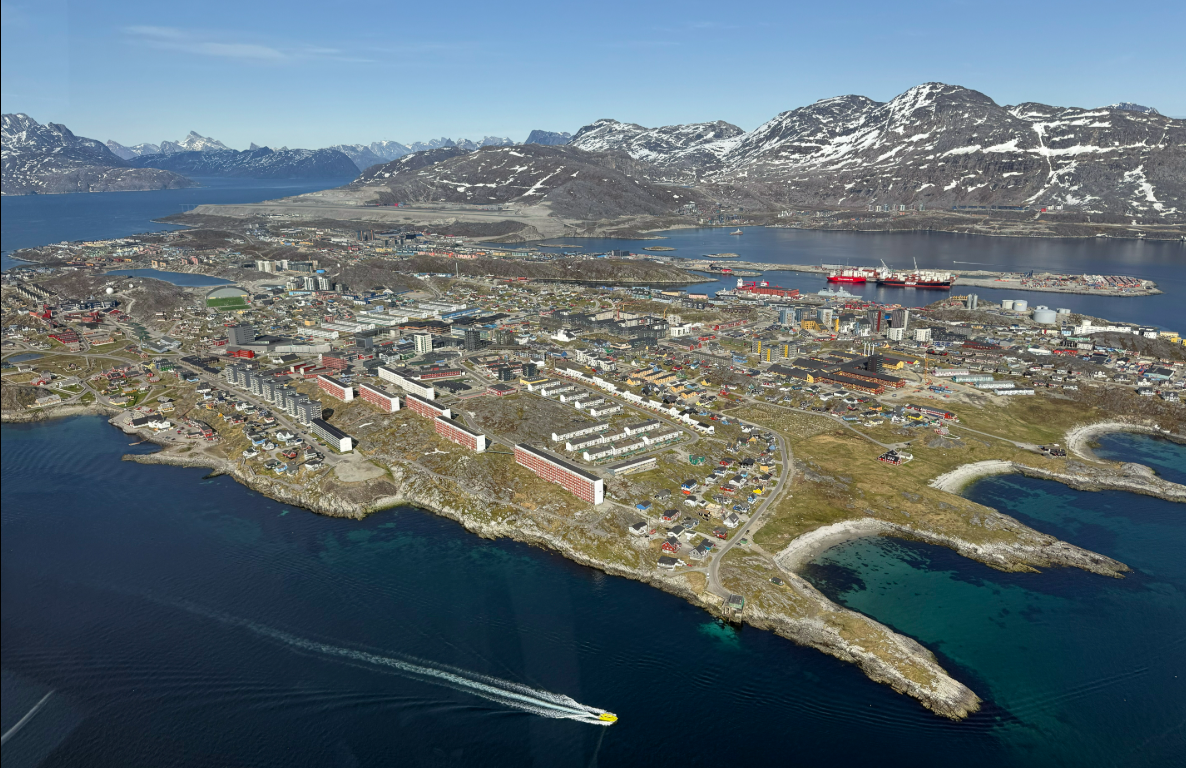
Greenland occupies a critical position in the Arctic, a region gaining importance as melting ice opens new shipping routes and access to natural resources. The island is believed to hold significant reserves of rare earth minerals — materials essential for advanced technologies, renewable energy systems, and modern military applications.
From Washington’s perspective, securing influence over would strengthen U.S. positioning in the Arctic at a time of rising competition among global powers. Advocates of a closer U.S.–Greenland relationship argue that the island’s geography alone makes it central to future defense and supply-chain planning.
This strategic logic sits at the core of the Greenland US deal discussions, which frame the island less as a remote territory and more as a long-term geopolitical asset.
Denmark and Greenland Push Back
Officials in Copenhagen and Nuuk have been clear in their response. Both Danish authorities and Greenland’s local leadership have reiterated that is not for sale and that its future must be decided by its people through established political processes.
currently operates as a self-governing territory within the Kingdom of Denmark, managing its own domestic affairs while Denmark oversees defense and foreign policy. Any shift away from this arrangement would require not only local consent but also complex legal and diplomatic negotiations.
The idea of using direct financial incentives to influence such a decision has drawn criticism from European leaders, who see it as undermining established norms of sovereignty.
A Long-Running Interest, Revisited
Trump has repeatedly expressed interest in Greenland over the years, often framing it as essential to U.S. national security. He has argued that maintaining influence across the Western Hemisphere is a strategic necessity and that Greenland plays a unique role in that equation.
What distinguishes the current discussions from earlier remarks is the focus on population-level incentives rather than state-to-state negotiations. Instead of seeking direct control, the approach centers on persuading residents themselves — a tactic that, if pursued, would mark a departure from traditional diplomatic playbooks.
Economic and Political Implications
Offering up to $100,000 per person would represent a substantial financial commitment, even before accounting for infrastructure, governance, and integration costs that would follow any political shift. Analysts note that such a move would raise questions about precedent, both in the Arctic and beyond.
At the same time, the proposal highlights how economic leverage is increasingly being discussed alongside military and diplomatic tools in global power competition. In that sense, the Greenland US deal debate reflects broader trends in how states pursue strategic influence in contested regions.
What Happens Next
For now, the discussions remain exploratory. There has been no official policy announcement, no formal outreach to Greenland’s government, and no indication that negotiations have moved beyond internal deliberations.
Still, the renewed focus on Greenland signals that Arctic geopolitics is moving higher on Washington’s strategic agenda. Whether the idea of direct payments gains traction or fades, it has already reignited global attention on Greenland’s role in the balance of power — and on how far major nations may be willing to go to secure strategic advantage.
Explore more coverage:
This story is part of Plus Reference’s ongoing Business coverage. Discover more analysis on global strategy, resources, and power dynamics in our Business section.